
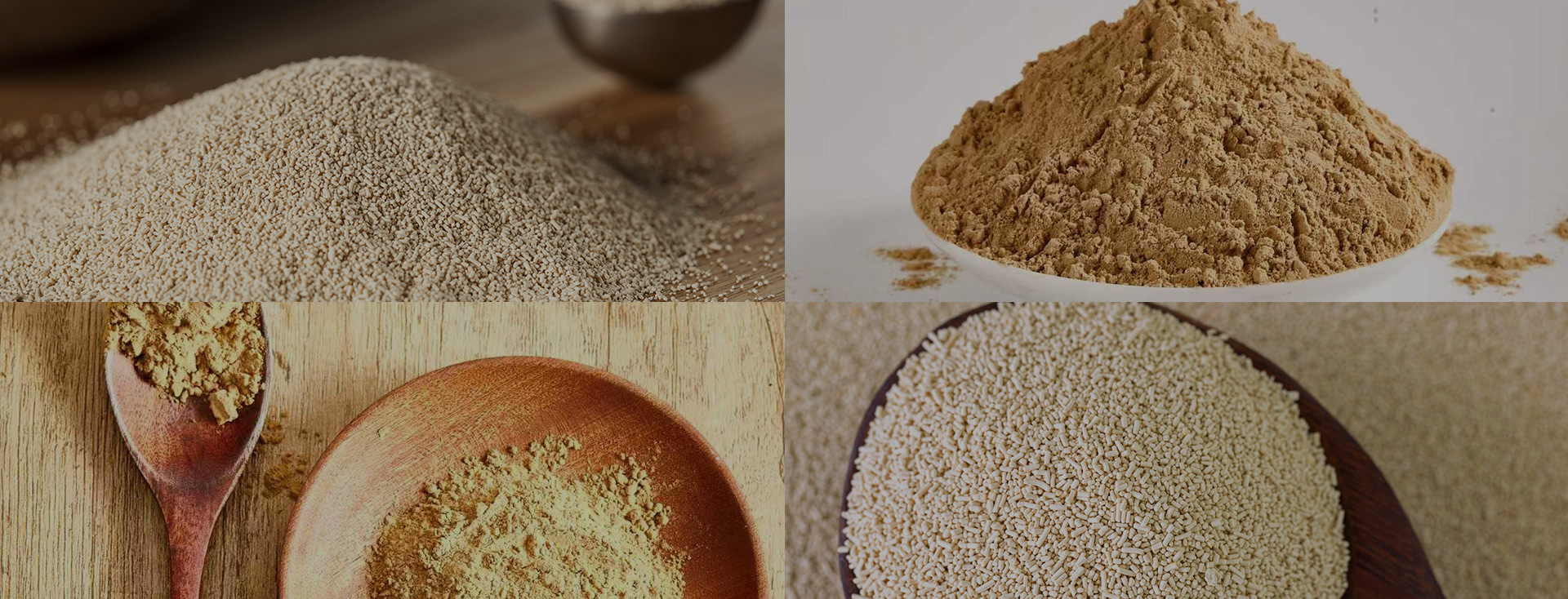
Various feed additives
PRODUCTS
Feed Additives
Feed Additives
Xylo-oligosaccharide, also known as xylooligosaccharide, is a functional polysaccharide composed of 2-7 xylose molecules linked by β(1-4) glycosidic bonds. Xylo-oligosaccharide selectively proliferates beneficial bacteria such as *Bifidobacteria and lactic acid bacteria in the body, promoting the colonization and proliferation of beneficial bacteria; forming a dominant flora to inhibit the adhesion of *harmful bacteria. During the proliferation of beneficial bacteria, short-chain fatty acids are produced. As the concentration of short-chain fatty acids increases, the *pH value of animals decreases, destroying the suitable conditions for the proliferation of harmful bacteria.
Potassium sorbate, as a natural organic acid, has a good acidifying effect. In the animal digestive tract, potassium sorbate can lower the pH value of feed, stimulate the secretion of digestive juices, and improve the function of digestion and absorption. It can also inhibit the growth of harmful bacteria and parasites in feed, reducing the incidence of related diseases. These effects help to improve animal appetite and feed utilization, reduce the incidence of diseases, and promote the healthy growth of animals.
Added to livestock and aquatic feed as a calcium supplement. Calcium is an important mineral element in the animal body, participating in the formation and maintenance of bones and teeth, and playing a vital role in animal growth and development, reproductive performance, and the normal function of nerves and muscles. The reasonable addition of feed-grade calcium chloride can effectively meet the animal's calcium needs, prevent the occurrence of calcium deficiency, and improve animal production performance and product quality.
Feed-grade sodium chloride, based on high-quality raw materials, is carefully processed using advanced technology such as [specific production processes, such as ion exchange, evaporation crystallization, multiple filtration and impurity removal]. It can effectively prevent a series of adverse symptoms such as stunted growth, loss of appetite, and decreased immunity caused by sodium chloride deficiency, and significantly improve animal production performance.
Feed-grade magnesium oxide, as a magnesium source, can effectively supplement magnesium in animals, preventing magnesium deficiency, such as stunted growth and development, poor appetite, increased nerve excitability in livestock and poultry, and poor growth and reduced immunity in aquatic animals. Magnesium oxide has a certain alkalinity, which can adjust the pH of feed, improve feed palatability, and promote animal digestion and absorption. At the same time, in ruminant animal feed, it can neutralize stomach acid, maintain the normal pH environment of the rumen, benefit the growth and fermentation of rumen microorganisms, and improve the digestibility and utilization of feed.
Vitamin E not only has antioxidant effects, but also participates in regulating immune function, promoting reproductive system development and function, maintaining normal nervous system function, and many other physiological processes. The reasonable addition of feed-grade vitamin E can improve animal growth and development, enhance reproductive performance, increase disease resistance, improve the quality of meat, eggs, and milk products, and also extend the shelf life of feed and reduce the oxidative loss of nutrients in feed.

Phone/Phone:
+86 19902057138 02255404
E-mail/E-mail:


A company of animal feed products that integrates scientific research, production and trade.
The company is located in No.1, Huixue Road, Jingwu Town, Xiqing District, Tianjin
HUATAO GROUP
Leave us a message
We will contact you within one working day, please pay attention to your mail.