
FOR BETTER GAIN
Resource-based Feedstuff for Lower Costs & Better Gain
FOR BETTER GAIN
Selection and Control -
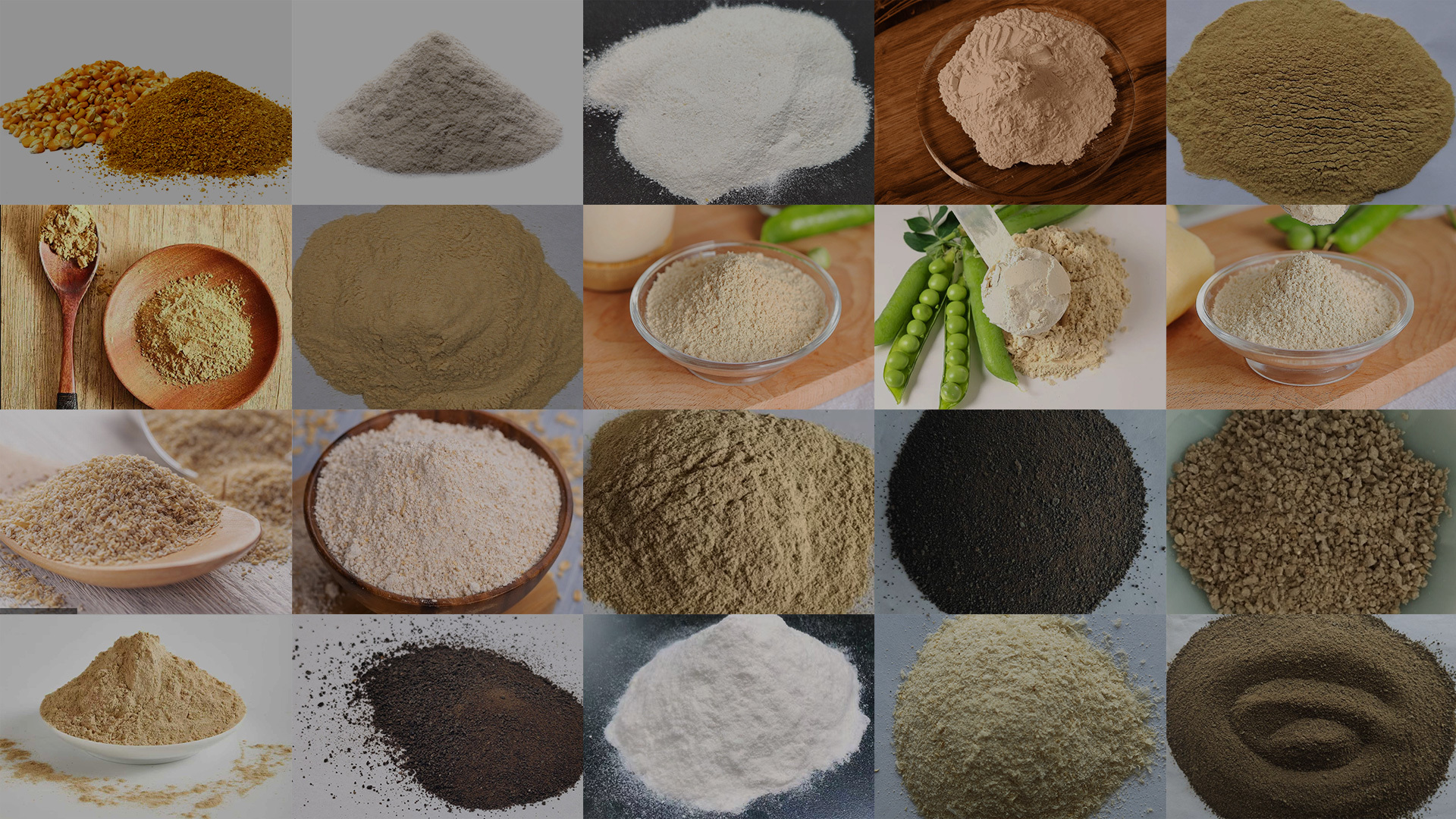
Corn Gluten Meal/Corn Protein Powder
Corn protein powder is produced by processing corn kernels through a wet-milling process to create a coarse corn starch slurry, which is then hydrolyzed, separated, concentrated, fermented, and finally dried into a golden-yellow powder or fine granular form.
Fermented soybean meal powder is a high-protein feed ingredient produced by the combined fermentation of beneficial probiotics such as Bacillus subtilis, lactic acid bacteria, and yeast, using premium soybean meal as the raw material. It represents a functional upgrade over traditional soybean meal.
Sunflower meal for feed is a high-quality byproduct obtained after oil extraction from sunflower seeds. It appears as pale yellow fragments with a natural sunflower aroma. It is suitable for ruminants, pigs, and poultry and can partially replace soybean meal to reduce costs. Supplementing with lysine and combining it with enzyme preparations can enhance digestibility and utilization, thereby promoting animal growth and improving production performance.
Made from freshly cut chicken livers sourced directly from slaughterhouses, this product is fresh, appetite-stimulating, and highly stable—perfect for inclusion in pig feed, poultry feed, and aquaculture feed.
Fish solubles powder is a powdered product manufactured through processes including oil removal, removal of viscous polysaccharides, concentration, and spray drying, all derived from the fish solubles liquid (a byproduct) produced during the fishmeal production process. This product perfectly addresses the longstanding challenges of traditional fish solubles—its difficulty in drying and its tendency to absorb moisture—thereby enabling the efficient and circular utilization of fishery resources.
Fish meal is produced using advanced equipment and technology, including raw material inspection, cleaning, impurity removal, steaming, pressing, drying, crushing, screening, and packaging. It is widely used in livestock and poultry feed for pigs, chickens, ducks, cattle, and sheep as a major protein source. It meets the nutritional needs of livestock and poultry at different growth stages, improving growth rate, feed conversion rate, and the yield and quality of meat, eggs, and milk.
Feed-grade yeast cultures are feed additives produced by fermenting and drying high-quality yeast strains through a specialized process. They are rich in yeast metabolites, amino acids, vitamins, and bioactive substances, which help regulate the balance of intestinal microflora in livestock and poultry, enhance digestion and nutrient absorption, boost immune function, improve feed palatability, and reduce farming costs. These cultures are suitable for use in feed formulations for various livestock and poultry species, including pigs, poultry, and ruminants.
Beer Yeast Slurry is crafted using a unique process that combines yeast liquid aerobic fermentation with solid-state deep anaerobic fermentation and enzymatic hydrolysis, resulting in the production of enhanced metabolic byproducts. This process also breaks down yeast cells more thoroughly, releasing greater amounts of yeast-derived cellular components—such as yeast cell wall immunopolysaccharides, nucleotides, and yeast protein peptides—which collectively stimulate appetite, help balance gut microbiota, improve animal performance, and boost immune function.
Glutamate residue is a byproduct, primarily derived from the solid waste generated during the production process of glutamate. Glutamate is an important amino acid.
Urea, also known as carbamide, has the chemical formula CH4N2O. It is a white crystalline or white powder composed of carbon, nitrogen, oxygen, and hydrogen, and is one of the simplest organic compounds.
Urea is the most commonly used non-protein nitrogen additive in the fattening process of beef cattle and sheep, which can provide a nitrogen source for rumen microorganisms to synthesize proteins
Urea is a non-protein nitrogenous compound with a nitrogen content of 46%. Feed urea is a high-quality protein supplement for ruminants. As a non-protein nitrogen feed additive, urea can be converted into
Wheat bran can be fed in large quantities to ruminants, with a typical inclusion rate of 25% to 30% in dairy cows, helping to boost milk production. It also delivers excellent results for breeding bulls, beef cattle, and calves alike. During the fattening period, it is best used in combination with cereal-based feeds.
Beet pulp pellets are a high-quality feed ingredient, widely favored in the livestock industry for their high-protein, low-fiber characteristics. Beet pulp is the solid residue left after sugar juice is extracted from sugar beets. Rich in nutritional value, it is suitable for feeding a variety of animals, including dairy cows, beef cattle, pigs, and sheep.
Caragana is a plant that grows in harsh environments such as sand dunes, hillsides, and dry slopes. Caragana is rich in a variety of nutrients such as high protein and crude fat. After a series of processing, it is transformed into caragana granules, to make a feed with good palatability and mellow taste. Suitable for adding to pig feed, poultry feed, ruminant feed and aquatic feed.
Acts together with digestive enzymes in the animal's digestive tract to degrade complex carbohydrates in feed, improve feed digestibility, and enhance animal production performance.
Feed emulsifiers are a class of functional additives that reduce the interfacial tension between the oil and water phases in feed, promote the dispersion of fats into tiny oil droplets, and help form stable emulsions. They are widely used in the production of compound feeds for livestock, poultry, and aquaculture, and serve as a key ingredient for overcoming the challenges associated with the digestion and absorption of high-fat diets.
Feed-grade DMPT (chemical name: dimethyl-β-propionamidine) is a sulfur-containing compound naturally found in seaweed and wild fish and shrimp. As a fourth-generation aquatic attractant, it is produced via chemical synthesis for large-scale industrial manufacturing, with a purity level reaching over 98%. It is a key functional additive in aquaculture feed.
· The company was founded in 2017
· The company covers an area of about 16000 square meters
· 30 core technology products of the company
· Service customer production scale of 8 million tons
About Us
Animal feed products company integrating scientific research, industry and trade
In response to the national call for energy conservation, emission reduction, and the development of a low-carbon agricultural economy, and in alignment with the Ministry of Agriculture's meal reduction policy initiative as well as the trends towards diversification and intensification within the feed industry, Tianjin Suntadd Technology Co., Ltd. was established in January 2017. This enterprise is dedicated to scientific and technological advancements in feed production, integrating research, development, manufacturing, and trade of innovative feed nutrition technologies.
More than 20 years of experience, the strength of industry experts
Can be used in veterinary medicine industry do feed additives, or made into capsules used as copper supplements, used to solve the cattle, calves, sheep, goats, deer and camels copper deficiency
Experienced team
Build a strong product development and sales team
Apply for a number of technical patents
Worry-free, attentive, attentive, caring, whole-hearted
Advantage
Our advantage
A company of animal feed products that integrates scientific research, production and trade.
The company is located in Tianjin
Successful Cases
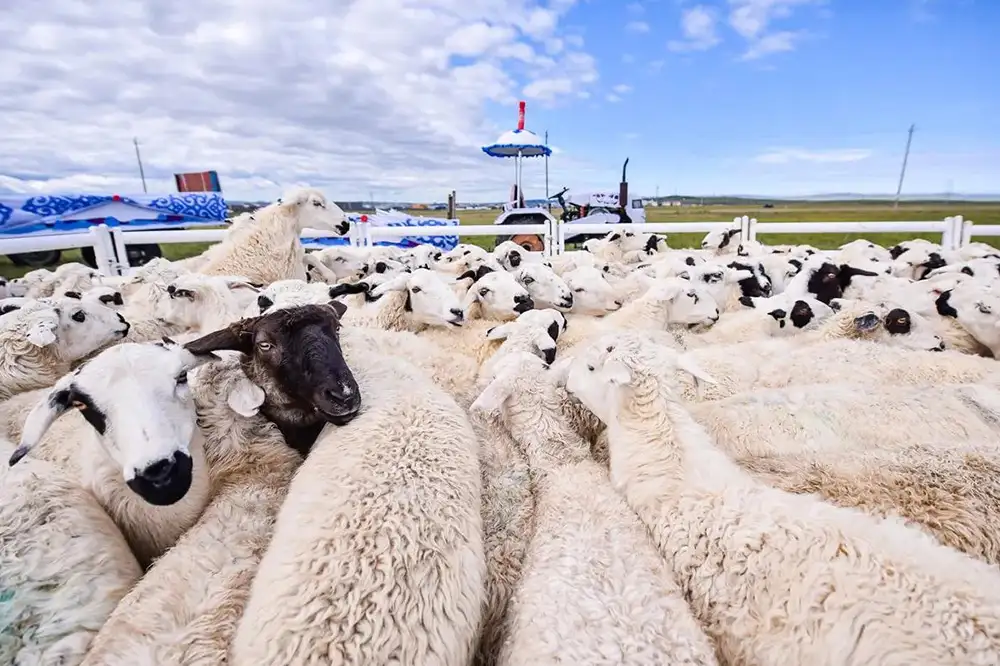
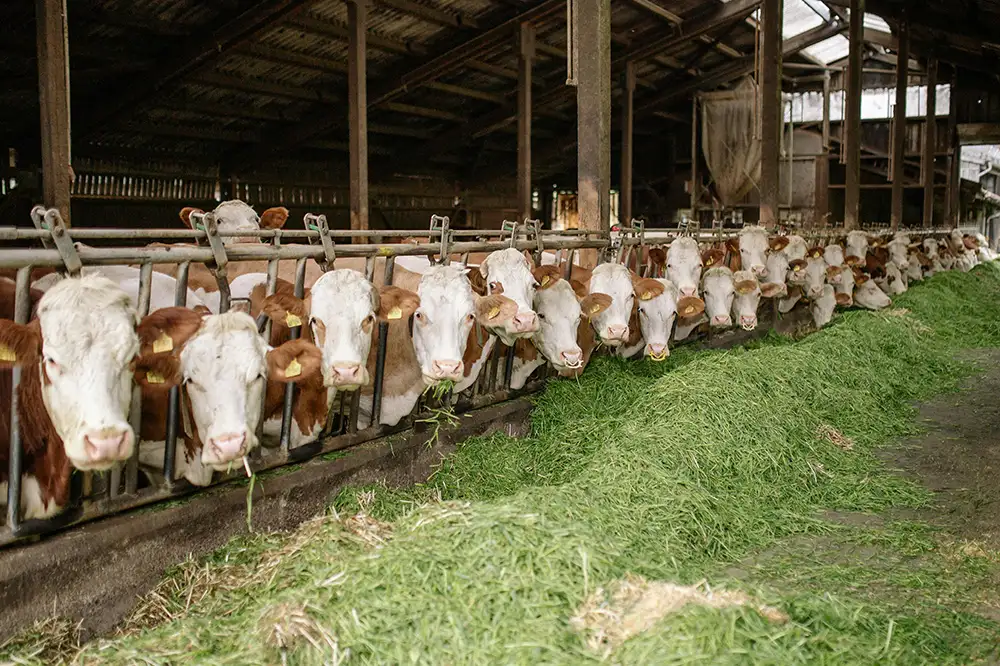
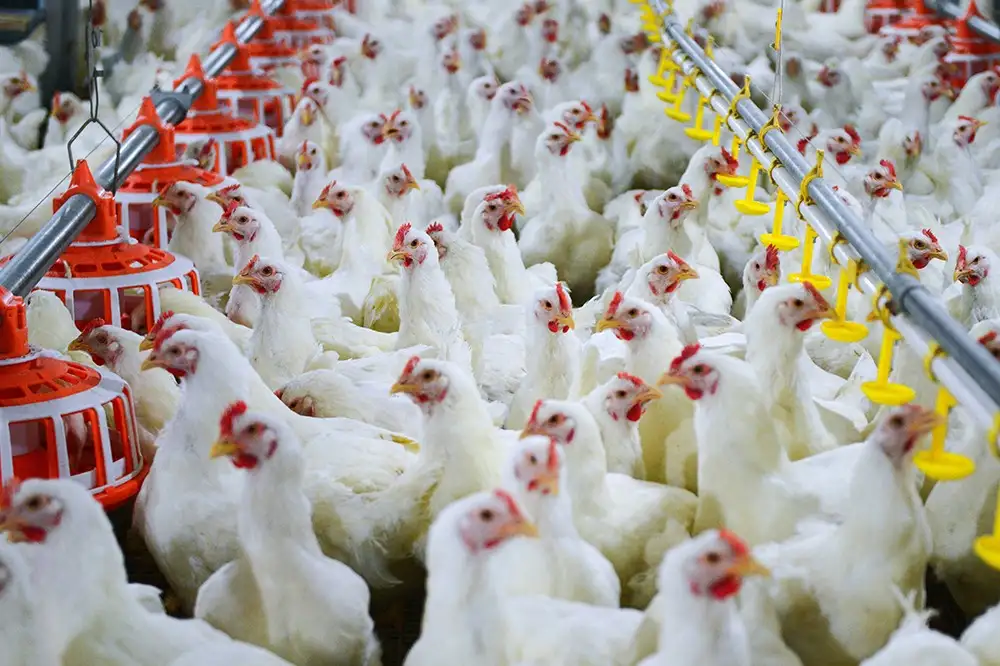
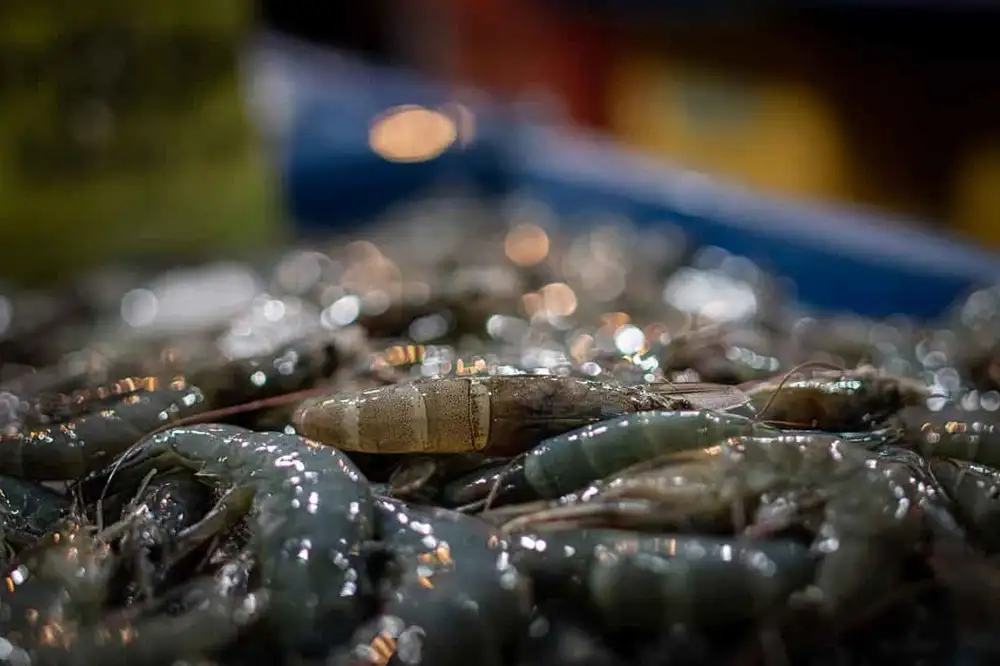
Division I core technology products are mainly used in a variety of breeding animal feed preparation, including: pigs, poultry, cattle, sheep, fish and shrimp, pets and so on...


News
2024年07月10日
High in protein: Animal protein feeds such as fish meal, meat meal, and more
2024年07月10日
Technological Innovation and Industrial Upgrading

Phone/Phone:
+86 19902057138 02255404
E-mail/E-mail:


A company of animal feed products that integrates scientific research, production and trade.
The company is located in No.1, Huixue Road, Jingwu Town, Xiqing District, Tianjin
HUATAO GROUP
Leave us a message
We will contact you within one working day, please pay attention to your mail.